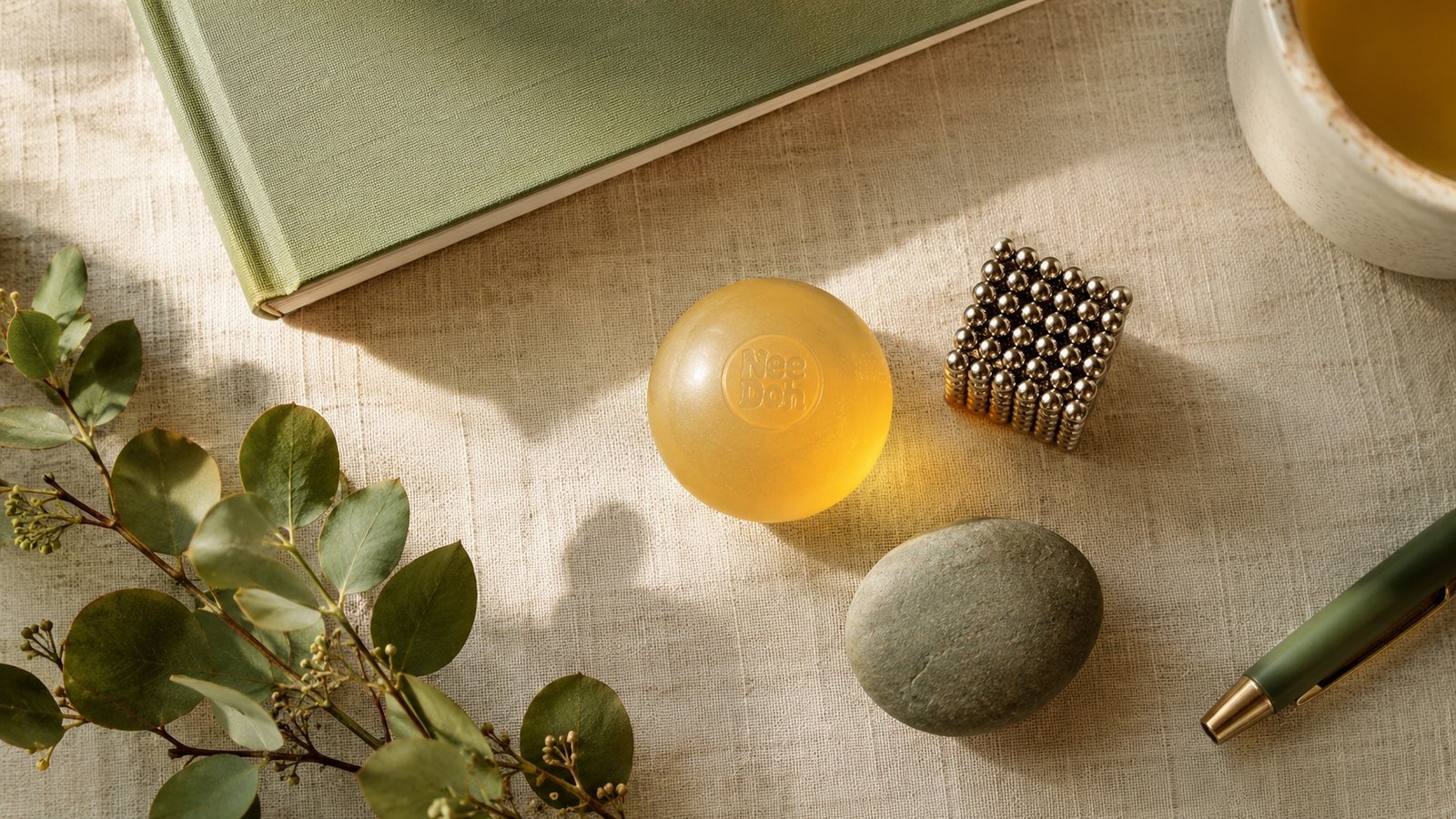
There’s a reason children fidget. The brain has a sensory need for low-level stimulation when performing cognitive work — the hands wanting to do something is not distraction, it’s your nervous system seeking regulation. When that need isn’t met at the desk, it gets met by your phone. Sensory tools redirect that impulse productively.
This isn’t a children’s category. The research on sensory tools for adult focus is clear, and the 2026 Google Trends data confirms the mainstream is catching on: “needoh” is now searched 10× more than “stress ball,” and “sensory toy” has reached an all-time high. Here’s what actually works.
🧬 The Science: Why Fidgeting Can Help Focus
A University of Vermont study found that people who used fidget tools during a lecture retained information significantly better than those who didn’t. The mechanism: mild physical stimulation keeps the reticular activating system (the brain’s alertness network) engaged without drawing on the same cognitive resources needed for thinking. It’s the same reason doodling during meetings improves recall.
Sensory tools work for repetitive cognitive tasks (writing, coding, analysis) where you need sustained attention without creative novelty. They’re less suited for highly novel problem-solving where your hands might actually distract. Know which type of work you’re doing.
🛒 5 Best Sensory Desk Tools for Adult Focus
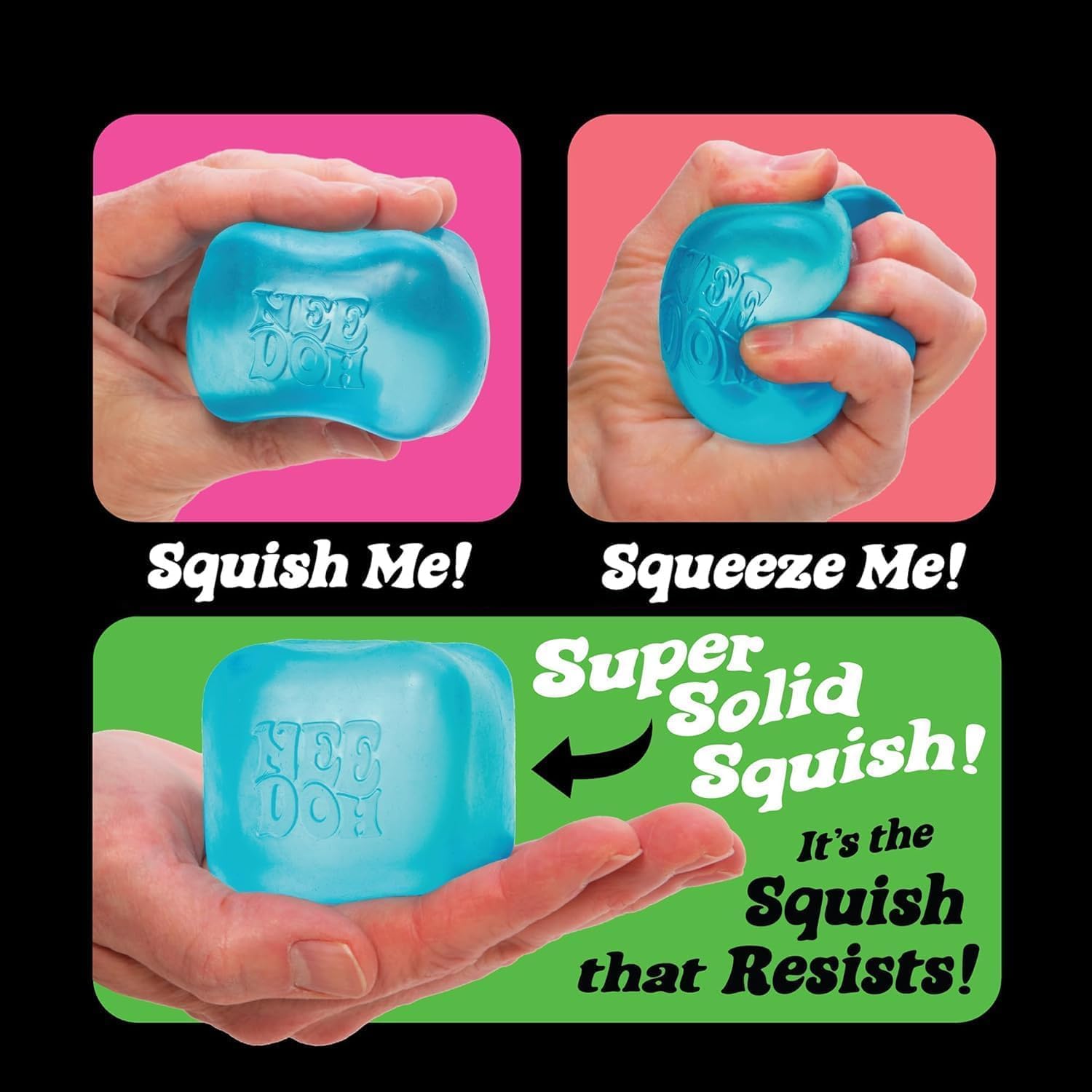


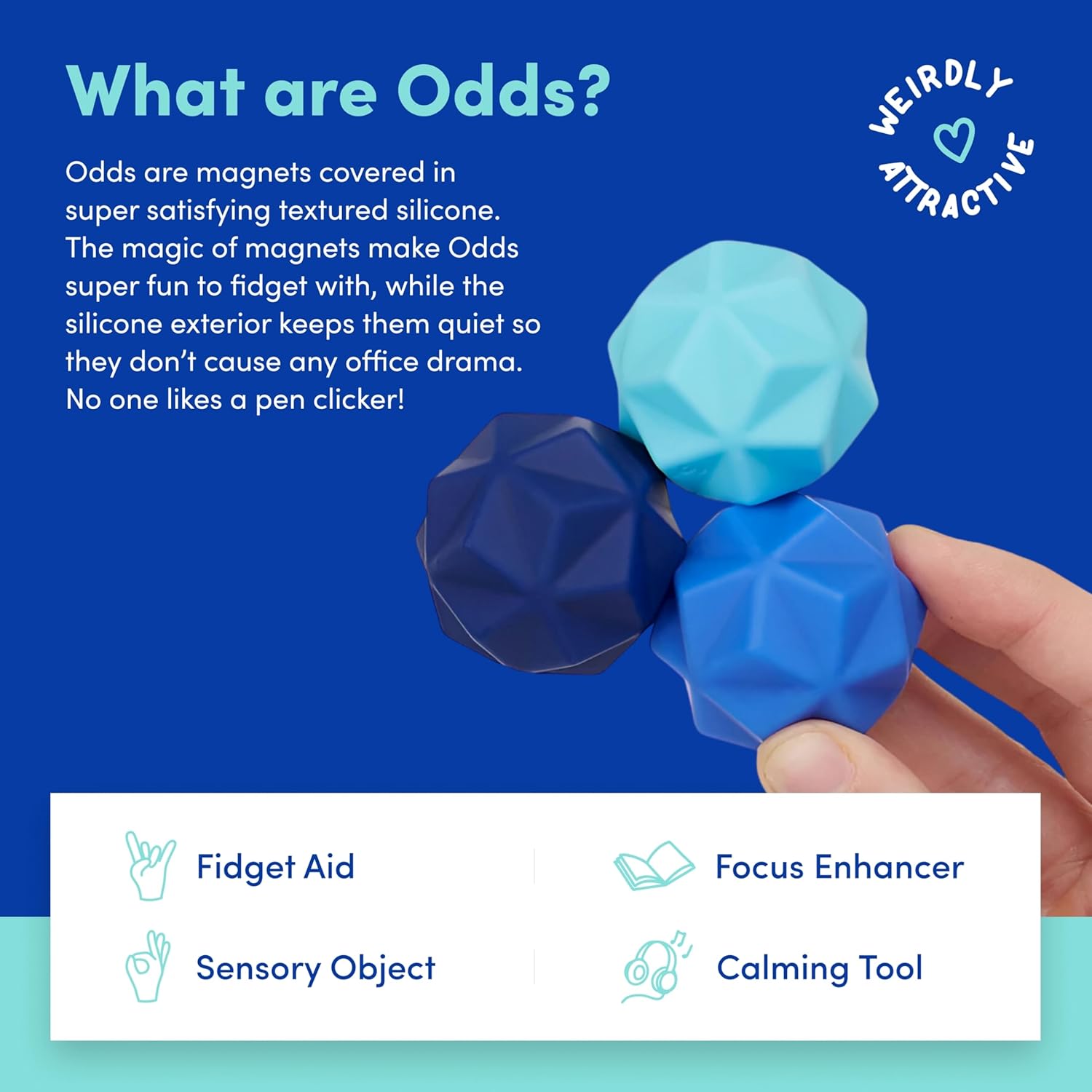
The ideal sensory desk tool is personal. Buy one, use it for a week, and note whether you reach for your phone less. If you do — it’s working. Then decide if you want something different. Don’t build a collection you never use.
🌿 The Complete Focus Workspace System
Sensory tools are one piece. Combine with the Minimalist Workspace Blueprint for the complete focus environment system.
Get the Workspace Blueprint — $14 →